


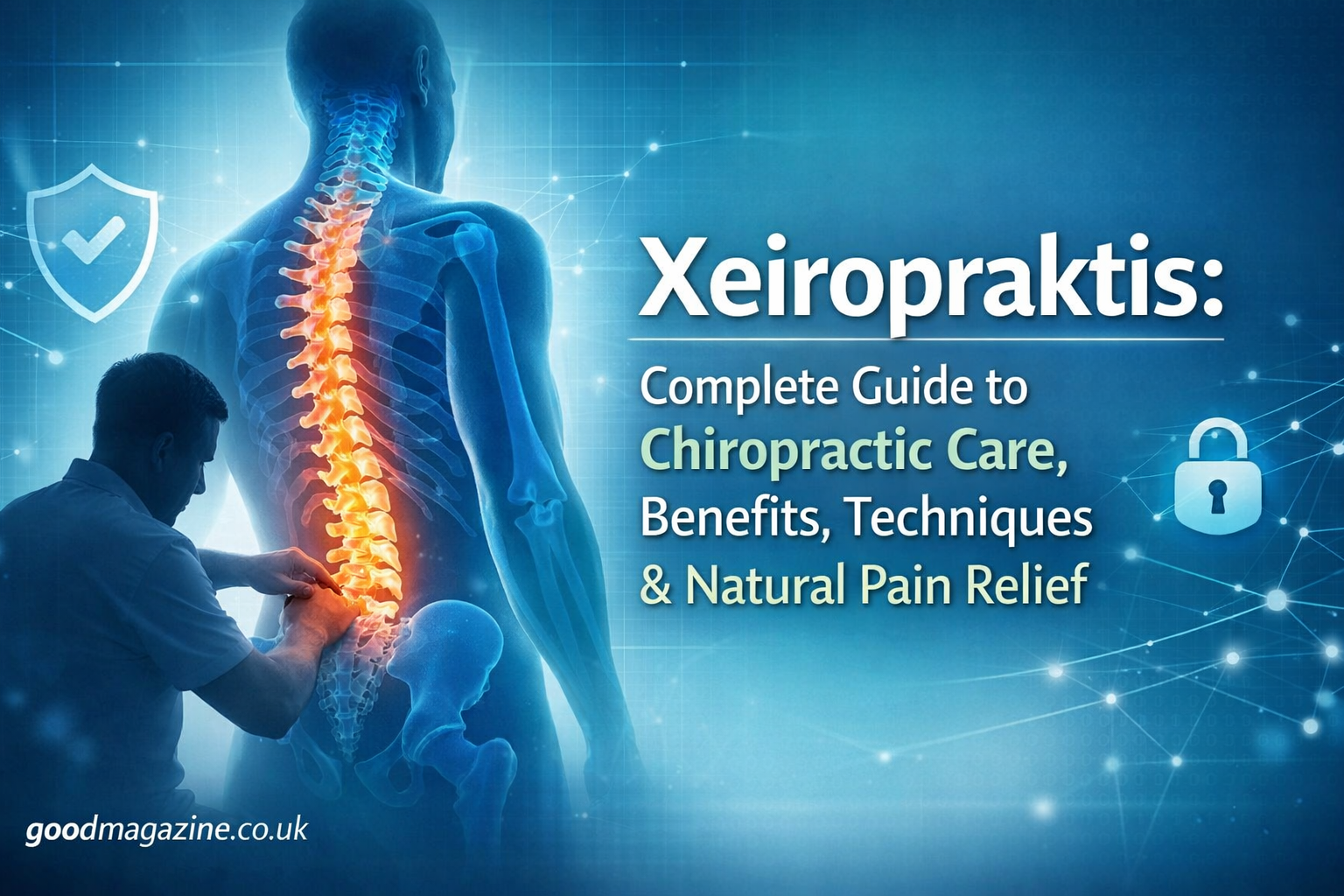
Back pain has a way of taking over your life. It can turn work into a chore, sleep into a struggle, and simple movement into something you think about far too much. That is one reason interest in xeiropraktis has grown so quickly online. In most of the articles currently ranking for this topic, the term is used as another way to describe chiropractic care—a hands-on, non-surgical approach focused on the spine, joints, movement, and related musculoskeletal problems.
This matters because musculoskeletal pain is not some small niche issue. The World Health Organization says musculoskeletal conditions affect about 1.71 billion people worldwide, and low back pain is the single leading cause of disability in 160 countries. WHO also reports that about 619 million people were living with low back pain in 2020, and that number is projected to rise to 843 million by 2050.
So, is xeiropraktis just a trendy label for chiropractic treatment, or is there something more to it? The practical answer is that people searching for xeiropraktis are usually looking for information about chiropractic therapy: what it is, how it works, what conditions it may help, what the risks are, and whether it is worth trying. This guide covers all of that in a clearer, more useful way than competing articles, while keeping the language simple and grounded in what reputable health sources actually say.
What Is Xeiropraktis?
Xeiropraktis is commonly presented online as a hands-on treatment approach that focuses on spinal alignment, joint function, movement, and the body’s musculoskeletal system. In practice, the term is being used as a synonym or near-synonym for chiropractic care. The competitor articles all frame it that way, and mainstream clinical sources describe chiropractic adjustment as a manual treatment in which a licensed practitioner uses the hands or an instrument to manipulate joints, especially the spine.
Put simply, xeiropraktis is about using manual techniques to improve how the body moves and feels. The most recognized part of chiropractic care is spinal manipulation, but care may also include soft-tissue work, exercise advice, mobility work, posture guidance, and lifestyle recommendations, depending on the patient and the practitioner. Cleveland Clinic notes that chiropractic adjustments are often used to help reduce pain, support body alignment, and improve physical function, usually as part of a broader care plan rather than a magic one-session fix.
What makes xeiropraktis attractive to many people is the promise of a non-surgical, drug-free option. That does not mean it is the answer for every problem, but it does explain why so many people look into it when dealing with back pain, neck tension, stiffness, posture-related discomfort, or movement limitations.
History and Origin of Xeiropraktis
The web articles you shared link xeiropraktis to a Greek-root idea of “done by hand” or manual practice, and they place it within the broader tradition of chiropractic-style care. Historically, chiropractic emerged in the late nineteenth century as a distinct hands-on profession centered on the relationship between the spine, the nervous system, and physical function. The modern field has since evolved into a more evidence-aware musculoskeletal discipline, especially in settings where practitioners work alongside or complement medical, rehabilitation, and exercise-based care.
The interesting thing is that the modern conversation around chiropractic is a lot less mystical than it used to be. Older explanations often leaned heavily on broad claims that “alignment” could solve all kinds of health issues. Today, the strongest evidence and the most credible clinical use cases are much more focused: back pain, neck pain, mobility issues, and related musculoskeletal complaints. That shift matters because it moves xeiropraktis away from exaggerated promises and toward realistic, patient-centered care.
Core Philosophy Behind Xeiropraktis
At its core, xeiropraktis is built around a simple idea: when joints, muscles, and movement patterns are not functioning well, pain and stiffness often follow. Manual therapy aims to restore motion, reduce irritation, and help the body move more comfortably. The competitor articles describe this through themes like the mind-body connection, natural healing, and the role of the nervous system. Those ideas are popular because they sound intuitive, but the most practical interpretation is this: better movement and less mechanical stress can support better day-to-day function.
That does not mean xeiropraktis “unlocks” every health problem. A more responsible authority-style explanation is that chiropractic care may help some people by improving joint mobility, reducing pain, encouraging movement, and pairing manual treatment with rehabilitation advice. In other words, the philosophy is strongest when it stays grounded in restoring function, reducing pain, and supporting recovery.
How Xeiropraktis Works (Science Explained)
When a chiropractor performs an adjustment or other manual technique, the goal is usually to improve movement in a joint that seems restricted or painful. This can affect the surrounding muscles, reduce stiffness, and make it easier for a person to move with less discomfort. The Cleveland Clinic describes a chiropractic adjustment as a therapeutic joint manipulation used to help reduce pain and improve physical function.
The best-studied area here is low back pain. According to NCCIH, there is low- to moderate-quality evidence that spinal manipulation may help with chronic low back pain, and low-quality evidence that it may help with acute low back pain. A large systematic review in the journal PAIN Physician also found moderate-quality evidence that manipulation and mobilization are likely to reduce pain and improve function in chronic low back pain.
That wording is important. The evidence does not say chiropractic treatment cures all back pain or dramatically transforms everyone. It suggests that, for some patients, it can offer modest but meaningful improvement in pain and function, especially when used as part of a broader conservative care approach. WHO’s 2023 guideline on chronic primary low back pain supports non-surgical care in primary and community settings, reflecting the broader shift toward conservative, function-focused treatment rather than jumping straight to invasive solutions.
Techniques Used in Xeiropraktis Treatment
Xeiropraktis is not one single move. It is a category of hands-on and supportive care methods that may be combined based on the patient’s symptoms, exam findings, age, tolerance, and goals. The competing articles mention many of the common approaches.
Spinal Manipulation
This is the technique most people think of first. It usually involves a controlled, targeted force applied to a spinal joint. Sometimes there is a popping sound, sometimes there is not. The sound itself is not the treatment goal; improved movement and symptom relief are. NCCIH and the Cleveland Clinic both describe spinal manipulation as a recognized manual therapy technique used by chiropractors.
Manual Adjustments
Manual adjustments are broader than one specific spinal technique. They may involve hands-on manipulation or mobilization of the spine or extremity joints to reduce restriction and improve range of motion.
Activator Method
Some chiropractors use a small handheld instrument to deliver a quick, low-force impulse to a joint. This is often presented as an option for patients who prefer a gentler technique or who may not tolerate manual thrust well. The competitor content includes it as one of the core xeiropraktis methods.
Flexion-Distraction
This approach is often discussed in relation to low back pain and disc-related irritation. It typically uses a specialized table and gentle stretching or decompressive motion patterns rather than a high-velocity thrust.
Soft Tissue Therapy
Many chiropractic visits include work on muscles and connective tissue, not just joints. That can involve pressure, massage-like techniques, trigger point work, or movement-assisted release to reduce tightness and improve comfort.
Pressure Point Therapy and Supportive Care
Some practitioners also include pressure point therapy, posture coaching, mobility drills, exercise advice, or ergonomic recommendations. This matters because the strongest results often come from combining manual care with active self-management rather than relying on passive treatment forever.
Conditions Treated by Xeiropraktis
The competitor articles consistently position xeiropraktis as a treatment option for common musculoskeletal issues, particularly those involving pain, stiffness, and limited mobility.
Back Pain
This is the biggest category, and also the one with the strongest evidence base. Low back pain is extremely common worldwide, and conservative care is often the first line unless red-flag symptoms suggest something more serious. WHO identifies low back pain as the leading cause of disability globally.
Neck Pain
People often seek xeiropraktis for stiff, painful necks related to posture, desk work, or strain. Chiropractic and related manual therapies may help some patients, though neck treatment requires extra care and proper screening because certain rare but serious risks are associated with neck manipulation.
Sciatica
Sciatica refers to pain radiating down the leg, usually related to nerve irritation in the lower back. Conservative treatment may include exercise, physical therapy, medication, and sometimes manual therapy, depending on the case.
Headaches and Migraines
Some patients report improved headache patterns, especially when neck tension or musculoskeletal dysfunction is involved. But headache is a broad symptom, and not all headaches should be treated like a posture problem. Persistent or unusual headache symptoms need proper medical assessment.
Joint Pain, Arthritis, and Sports Injuries
Xeiropraktis may also be sought for shoulder, hip, or other joint pain, as well as mobility issues in athletes or active adults. In these cases, chiropractors may use a blend of joint work, soft-tissue treatment, and movement advice rather than focusing solely on the spine. Cleveland Clinic Canada notes that chiropractors treat and help prevent disorders related to the spine, pelvis, nervous system, and extremity joints.
Benefits of Xeiropraktis
The benefits people hope for are straightforward: less pain, more movement, better function, and fewer days feeling physically limited.
Physical Benefits
For some patients, xeiropraktis may help reduce pain, improve joint mobility, support posture-related comfort, and increase range of motion. Cleveland Clinic states that chiropractic adjustments can help reduce pain and improve physical functioning. Evidence reviews suggest benefits are most convincing in musculoskeletal conditions such as low back pain, where improvements are generally modest rather than dramatic.
Mental and Lifestyle Benefits
Pain is not just physical. When your back hurts less, your sleep often improves, your stress level may come down, and daily life feels more manageable. Some of the competitor articles emphasize stress reduction, better sleep, and even anxiety support. Those outcomes are believable as secondary benefits of improved pain and function, though they should not be overstated as direct psychiatric treatment effects.
Xeiropraktis vs Traditional Medical Treatment
This is where many articles stay too shallow. The smarter comparison is not “chiropractic versus medicine” as if one must defeat the other. The real-world question is which tool fits which problem.
Traditional medical care is essential when pain may be related to infection, fracture, cancer, inflammatory disease, major neurological symptoms, or any urgent red flag. Chiropractic care is more relevant when the problem appears mechanical or musculoskeletal, especially in uncomplicated back or neck pain. WHO’s guideline for chronic primary low back pain supports conservative non-surgical options in primary and community care, which reflects a broader healthcare trend: many pain problems do better with education, movement, exercise, and conservative management than with immediate escalation to scans, procedures, or surgery.
So the best view is not opposition. It is an appropriate use. Xeiropraktis can complement medical care, but it should not replace medical evaluation when warning signs are present.
What to Expect During Your First Visit
A first xeiropraktis visit usually includes a health history, a discussion of symptoms, a physical assessment, and a treatment plan. That pattern appears across the competitor articles and aligns with standard chiropractic practice as described by mainstream clinical providers.
You may be asked questions like:
-
Where is the pain?
-
When did it start?
-
What makes it worse or better?
-
Is there numbness, weakness, or pain spreading into the arms or legs?
-
Have you had accidents, injuries, surgery, or other major health issues?
A good practitioner should also screen for red flags and explain what they think is happening in plain language. If treatment is appropriate, the first visit may include a manual technique, exercise advice, posture guidance, or a short-term plan built around measurable goals such as walking comfortably, sleeping better, or returning to work tasks.
Is Xeiropraktis Safe? Risks and Side Effects
This is one of the most important parts of the conversation, and it deserves honesty.
For many patients, chiropractic treatment is associated with mild, temporary side effects such as soreness, stiffness, or fatigue. These effects usually pass. But there are also rare serious risks, especially involving certain types of neck manipulation. NCCIH states that neck-focused spinal manipulation has been linked to rare but potentially dangerous tears in the arteries of the neck, known as cervical artery dissection, which can lead to stroke. Mayo Clinic also advises against chiropractic adjustment in some circumstances, including severe osteoporosis, certain neurologic problems, and some disk-related conditions.
That does not mean chiropractic care is broadly unsafe. It means patient selection and screening matter a lot. A responsible xeiropraktis practitioner should know when not to treat, when to modify treatment, and when to refer a patient for medical evaluation.
Who Should See a Xeiropraktis?
Xeiropraktis may be worth considering for adults with uncomplicated musculoskeletal pain, especially if they want a conservative option before considering invasive treatment. That can include office workers with posture-related discomfort, active adults with movement restrictions, or people with recurring low back pain who need a structured plan that includes manual care and exercise.
It may be less appropriate for people with unexplained weight loss, fever, trauma, suspected fracture, progressive neurological symptoms, severe osteoporosis, or suspected vascular issues. In those cases, medical assessment comes first.
Xeiropraktis for Long-Term Wellness
The most useful way to think about xeiropraktis is not as an endless series of passive treatments, but as a short- to medium-term support tool within a bigger recovery strategy.
Long-term improvement often depends on things the patient does outside the clinic: regular movement, strength work, walking, posture variation, sleep, stress management, and avoiding the trap of total inactivity. WHO’s low back pain guidance emphasizes broader, non-surgical care rather than relying on one isolated intervention. That is why the best chiropractic care usually includes self-management advice, exercise, and realistic expectations.
Scientific Evidence and Research
If you want the honest, authority-style summary, here it is:
The evidence for xeiropraktis is strongest for some forms of back pain, mixed for other conditions, and nowhere near strong enough to support wild claims about fixing every health issue through the spine. NCCIH says spinal manipulation may be helpful for chronic low back pain, with smaller and more uncertain evidence in acute cases. The 2018 systematic review on chronic low back pain concluded that manipulation and mobilization are likely to reduce pain and improve function, with manipulation showing somewhat larger effects than mobilization.
Meanwhile, WHO’s guidance on chronic primary low back pain confirms the global scale of the problem and supports non-surgical, community-based care approaches. That broader context matters more than hype. Xeiropraktis does not need to be presented as miraculous to be useful. If it can help some people move better, hurt less, and stay more functional without surgery, that is already a meaningful contribution.
Common Myths About Xeiropraktis
One myth is that xeiropraktis is “just massage.” It is not. Massage targets soft tissues; chiropractic care may include soft-tissue work, but it also focuses on joints, movement, mechanics, and rehabilitation planning.
Another myth is that it is always dangerous. That is also not accurate. Most side effects are minor and temporary, but rare serious complications can occur, especially with the neck, which is why proper screening matters so much.
A third myth is that one adjustment “puts everything back into place forever.” Real recovery is rarely that dramatic. Most musculoskeletal pain improves through a combination of movement, time, load management, exercise, and sometimes manual therapy. Good xeiropraktis care should support that process, not oversell it.
How to Choose the Right Xeiropraktis Practitioner
Not all practitioners communicate or practice the same way. A good xeiropraktis provider should:
-
take a proper history,
-
screen for red flags,
-
explain findings clearly,
-
avoid exaggerated promises,
-
Give you a treatment plan with goals,
-
include advice for self-management,
-
and refer out when needed.
That last point is a big one. If a practitioner seems to treat every problem as a spinal issue or discourages appropriate medical evaluation, that is a red flag. Credible musculoskeletal care should feel collaborative, not cult-like.
Future of Xeiropraktis in Healthcare
The future of xeiropraktis is probably not about becoming more dramatic. It is about becoming more integrated, more evidence-aware, and more focused on function. The broader healthcare direction is already moving toward conservative pain care, patient education, multimodal treatment, and reducing unnecessary over-medicalization for common musculoskeletal conditions.
That means the most credible future for chiropractic-style care is one where practitioners work within clear boundaries, collaborate with other professionals, and focus on conditions where evidence is strongest.
FAQs About Xeiropraktis
Is xeiropraktis the same as chiropractic care?
In current online usage, yes, it is generally being used that way. The articles you shared all present xeiropraktis as a chiropractic-style, hands-on treatment approach.
Is xeiropraktis painful?
Some techniques can feel intense, and mild soreness afterward can happen, but treatment should not feel reckless or out of control. If it does, that is not a great sign. Minor temporary side effects are known; serious complications are rare but possible.
How many sessions do you need?
There is no universal number. It depends on the condition, its duration, your overall health, and whether you are also making lifestyle changes and exercising. A good practitioner should give you a reasonable plan, not an endless treatment subscription.
Is xeiropraktis safe for everyone?
No. Some people need medical assessment first, and some should avoid certain types of manipulation altogether. Severe osteoporosis, certain neurological symptoms, suspected vascular problems, and some disk issues may require caution or avoidance.
Does science support xeiropraktis?
For some musculoskeletal conditions, especially chronic low back pain, there is evidence of benefit, though the average effects are usually modest rather than dramatic.
Conclusion
Xeiropraktis has become a popular search term, but the real subject behind it is chiropractic care: a hands-on, conservative approach to musculoskeletal pain and movement problems. At its best, it offers a sensible middle path between “do nothing and hope” and “rush into invasive treatment.” The evidence is most supportive in areas like low back pain, where modest improvements in pain and function can make a real difference in daily life.
The smartest way to view xeiropraktis is neither blind faith nor instant dismissal. It is one tool among several. For the right patient, with the right screening, realistic expectations, and a focus on movement and self-management, it can be genuinely helpful. When the wrong problem is addressed or in the wrong hands, it can be oversold or inappropriate.
That balance is what the best article on xeiropraktis should give readers: not hype, not fear, just a clear answer. And that answer is this — xeiropraktis can be a useful, non-surgical option for some musculoskeletal problems, especially back-related pain, but it works best when it is evidence-aware, responsibly delivered, and part of a broader plan for long-term health.
For more such interesting and informative content, visit my blog: Good Magazine.

